

SaudiDialect
NewsLetter
January Edition

The January edition of SaudiDialect Monthly focuses on Saudi culture, everyday language, and real stories from across the Kingdom. This issue explores iconic Saudi traditions such as Kabsa, highlights cultural insights, and introduces practical vocabulary used in daily life.
You’ll also find reflections on Saudi heritage, language nuances, and a look ahead to what’s coming next in 2025 including upcoming lessons, cultural topics, and community stories shared by learners and travelers.
This edition brings together language learning, cultural understanding, and lived experiences, offering readers a deeper and more authentic connection to Saudi Arabia

Kabsa: A Symbol of Hospitality and Togetherness in Saudi
Kabsa is one of the most iconic Saudi dishes and a constant presence on the table. It is deeply associated with generosity, hospitality, and togetherness. Traditionally prepared with long-grain rice cooked with meat or chicken, Kabsa is seasoned with a distinctive blend of spices that give it its rich flavor and unmistakable aroma.
What sets Kabsa apart is the harmony of its flavors. The rice absorbs the broth of the meat or chicken, while spices such as cardamom, cloves, cinnamon, bay leaves, and black pepper add a warm, aromatic depth. It is often garnished with raisins, carrots, or toasted nuts, adding a subtle sweetness and a pleasing variety of textures.
Kabsa varies from one region to another and from one household to the next, as every family adds its own personal touch. Despite these variations, it remains a symbol of authentic Saudi cuisine, served on special occasions, at social gatherings, and even as part of everyday meals.
More than just a dish, Kabsa is an essential part of Saudi traditions and customs. It reflects the values of hospitality and generosity, often offered to guests as a sign of welcome and respect. It also represents the spirit of gathering and unity, as it is commonly shared from a single large platter.
Kabsa is present at weddings, feasts, holidays, and large gatherings, carrying cultural and social meaning beyond its role as food.
For these reasons, Kabsa can be seen as a symbol of the open home, Saudi generosity, and an experience that brings together flavor, aroma, and shared memories around one ta

Cultural Cue

Kabsa
As we close the chapter on 2025, we bid farewell to a remarkable year dedicated to celebrating handicrafts living expressions of authenticity rooted in our history and shaped by the hands of generations. Handicrafts are more than products; they are a cultural language that reflects people, place, and the deep connection between Saudi artisans and their environment.
The Year of Handicrafts offered an opportunity to rediscover the values of beauty, craftsmanship, and mastery, while highlighting national talents from all regions of the Kingdom. Every handcrafted piece carries a spirit, and every pattern tells a story, revealing the richness and diversity of our cultural identity and the pride of a nation that honors its past while confidently shaping its future.
Aligned with Saudi Vision 2030, this year reaffirmed that heritage is not merely something to be preserved, but a living force that contributes to cultural and economic development. His Royal Highness the Crown Prince has emphasized that culture is a cornerstone of human development, and that supporting creators and safeguarding heritage is a shared national responsibility.
As we bid farewell to 2025, we stand closer to our handicrafts and more aware of their true value. We move forward with pride in our artisans, carrying this legacy into the years ahead preserving it, developing it, and ensuring it remains a living symbol of Saudi identity, a thriving present, and a future worthy of our history

✎𓂃 Saudi Expression: “Ya Ba‘d Hayyi” (يا بعد حيي)
“Ya Ba‘d Hayyi”
is a popular Saudi Arabic expression used to show deep affection and warmth.
The closest meanings in English are:
-
My dear
-
You mean a lot to me
-
Someone very close to my heart
Literally, the phrase means:
“You are after my life”
In Saudi Arabic, “hayyi” (حيّي) refers to one’s life or soul. When someone says “ya ba‘d ḥayyi,” they are expressing that the person is extremely precious, even more than their own life.
“Ya ba‘d hayyi” It is commonly used in the Saudi dialect, especially in Najdi regions and widely in northern Saudi Arabia. It is typically said between close friends, family members, and loved ones, and is sometimes used as a very warm and affectionate greeting for a guest. The expression is often used to welcome someone kindly, to show appreciation or gratitude, or simply as a friendly phrase in daily conversation. Its tone is warm, emotional, friendly, and informal, reflecting the Saudi culture of closeness, hospitality, and emotional generosity. Although Saudi Arabic expressions can sound very strong when translated literally into English, they are used naturally and gently in everyday life, and “Ya ba‘d ḥayyi” is a perfect example of how Saudis express care, affection, and closeness through language

(yā) → O / Hey (calling someone)
Ba’d (baʿd) → after / beyond
Hayyi (ḥayyi) → my life / my soul
╰┈➤At SaudiDialect Online Course, every lesson has color–coded words, plus audio and video, so you can learn and remember vocabulary much more easily.
Some historical narratives trace back to the origin of the phrase
“Ya Ba‘d Hay!” and suggest that the first to use it was
Safanah bint Hatim al-Ta’i, the sister of ‘Adi ibn Hatim.
This occurred when ‘Adi passed by her while coming from the Levant.
When she asked her people about her brother ‘Adi, they informed her
that he had gone to Iraq. She then said, “Ba‘ud Hay – بَعُدَ حيي ” meaning
“my people have gone.”

Since that time, the expression has continued to be used up to the present day with the same wording and meaning. It is said “Ba‘d Hay – بَعَدْ حيي ” with good intention and a sincere sense, and is used as an expression of affection and closeness, as if the speaker is leaving behind those they love and care for among their people.

Money In Arabic Language
💰 Names of Money in the
Arabic Language: Precision That Reflects Meaning
The Arabic language is considered one of the richest languages in the world
not only because of the number of its words, but because of its remarkable ability to name the same thing differently depending on context.
One of the clearest examples of this richness is the names of money.
| Context / Situation | Arabic Term | English Meaning |
|---|---|---|
| Paid in school or institutions | Rasoom (رسوم) | Fees |
| Given during marriage | Mahr (مهر) | Dowry |
| Paid after divorce | Nafaqa (نفقة) | Alimony / Maintenance |
| Money taken with obligation to repay | Dayn (دين) | Debt |
| Paid to the government | Dareeba (ضريبة) | Tax |
| Money paid by court order | Gharama (غرامة) | Fine |
| Monthly payment for employment | Ratib (راتب) | Salary |
| Payment for physical or daily work | Ajr (أجر) | Wages |
| Payment for professional services | At‘aab (أتعاب) | Professional Fees |
| Paid to an intermediary or agent | ‘Umula (عمولة) | Commission |
| Money allocated to grow a business | Istithmar (استثمار) | Investment |
| Money stored in a bank | Wadi‘a (وديعة) | Deposit |
| Money borrowed from a bank or person | Qard (قرض) | Loan |

| Context / Situation | Arabic Term | English Meaning |
|---|---|---|
| Money taken with unjust increase | Riba (ربا) | Usury / Interest |
| Extra payment after service completion | Mukafa’ah (مكافأة) | Bonus / Gratuity |
| Regular payment after retirement | Ta‘Qed (تقاعد) | Pension |
| Obligatory payment to the poor | Zakat (زكاة) | Zakat (Obligatory Charity) |
| Voluntary giving for goodwill | Sadaqah (صدقة) | Charity |
| Money demanded to free a captive | Fidya (فدية) | Ransom |
| Money paid illegally for favors | Rishwa (رشوة) | Bribe |
| Payment for housing or property use | Ijar / Kiraa (إيجار / كراء) | Rent / Lease |
| Payment to atone for wrongdoing | Kaffarah (كفارة) | Expiation |
| Money granted by leaders or rulers | Makrama (مكرمة) | Royal Grant |
| Money transferred after death | Mirath (ميراث) | Inheritance |
╰┈➤ A detailed lesson with clear Audio explanations, practical examples, and usage differences in the Saudi dialect will be included in Saudi Dialect [Course 2] Stay tuned.

Did You Know? A Kingdom of Natural Diversity
From Olives to Honey
Saudi Arabia is known for its rich natural and agricultural diversity, where each region offers something unique shaped by its geography and environment. From the northern plains to the southern mountains, the land tells different stories through its local products and traditions.
In the north, Al-Jouf stands out as one of the Kingdom’s most important agricultural regions. Thanks to its fertile soil and moderate climate, Al-Jouf has become widely known for olive farming. Large olive groves cover vast areas of the region, producing high-quality olive oil that is consumed locally and exported internationally. Over time, olives have become more than just a crop in Al-Jouf — they are part of the region’s identity and heritage.
In contrast, the southern region of Jazan is famous for its environmental diversity and strong connection to honey production. The combination of mountains, valleys, and warm weather creates ideal conditions for natural plants and flowers, which support beekeeping across the region. As a result, Jazan has earned a strong reputation for producing some of the finest honey in Saudi Arabia
From olive trees in the north to honey hives in the south, Al-Jouf and Jazan reflect the richness of Saudi Arabia’s land. Together, they show how nature, agriculture, and local knowledge shape the identity of each region.
What Happened This Month


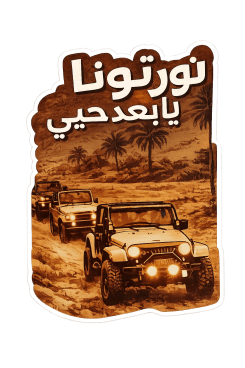
Saudi Arabia has entered Guinness World Records by achieving the world’s largest off-road vehicle parade.
The historic event took place in Tawarin Village, part of Hail, with a remarkable participation of 501 four-wheel-drive vehicles.
A global achievement that highlights Hail’s growing presence on the international stage.
HAPPENED
THIS
JANUARY
Entertainment News

Riyadh Shines with the Largest Red Carpet in the Middle East
The Joy Awards celebrate joy, creativity, and excellence by honoring inspiring figures from music, cinema, sports, and entertainment who positively impact people’s lives.
Held every January in Riyadh as part of Riyadh Season, the ceremony blends glamour, live performances, and audience participation through public nominations and voting.

The 2026 Joy Awards opened with a spectacular performance by Katy Perry, setting a vibrant and energetic tone for the ceremony and highlighting the global appeal of the event.
HAPPENED
THIS
JANUARY

Entertainment News

An Elite Group of World Stars
This striking group portrait captures the grandeur of the Joy Awards celebration, bringing together a distinguished gathering of global and regional figures from film, music, sports, and entertainment.
Set against a visually rich stage inspired by art, architecture, and fantasy, the scene reflects the elegance and creativity that define the awards. The stars appear in sophisticated evening attire, highlighting the international prestige of the event and Riyadh’s growing role as a global hub for culture and entertainment.
The composition blends theatrical design with modern aesthetics, reinforcing the Joy Awards’ reputation as one of the most visually iconic ceremonies in the Middle East
HAPPENED
THIS
JANUARY
Entertainment News


0 Comments