

A warm look at the oud, dufuf, and rabab — the instruments behind Saudi poetry, gatherings, folk songs, and the sound of old Arabia.
Traditional Saudi Music and Musical Instruments
Quick answer: Saudi Arabia has a rich tradition of string and percussion instruments. The oud is a fretless lute and one of the most loved instruments in Arabic music. The dufuf are traditional frame drums used in weddings, celebrations, Eid gatherings, and folk performances. The rabab is an old bowed string instrument associated with poetry, storytelling, and traditional desert culture.

العود — The Oud
Warm, expressive, and instantly recognizable. The oud is the sound many people imagine when they think of classic Arabic music.
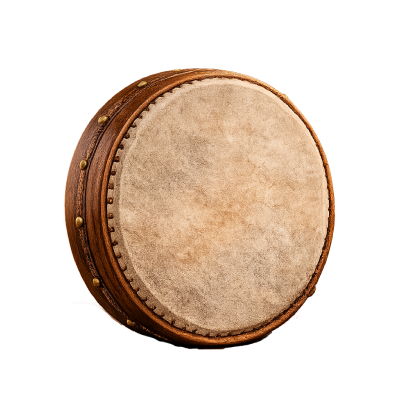
الدفوف — The Dufuf
Traditional frame drums played in groups at weddings, Eid, and celebrations — one of the most socially alive instruments in Saudi culture.
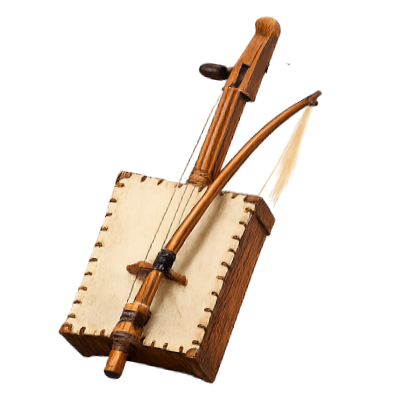
الربابة — The Rabab
An old desert instrument with a raw, emotional sound often connected to poetry, heritage, and folk performance.
العود — The Oud
The oud (عود) is one of the most famous instruments in Arabic music. It has a rounded wooden body, a short fretless neck, and a warm sound that can feel emotional, deep, and expressive.
Because the oud has no frets, the player can slide between notes and produce the subtle tones used in Arabic maqam music. This gives the oud a sound that is very different from the guitar or other Western string instruments.
History and Origins
The oud has a long history across the Arab world and beyond. Its roots go back to ancient lute-like instruments in the Near East, and it became especially important during the Islamic Golden Age. Arab scholars such as Al-Farabi and Ibn Sina wrote extensively about its musical theory. Over time, oud playing traditions developed across Iraq, Syria, Egypt, the Gulf, and the Hijaz region of western Saudi Arabia.
-
1
Ancient origins (~2000 BCE)
Lute-like instruments depicted in Mesopotamian art. Early predecessors of the oud take shape across the ancient Near East.
-
2
Islamic Golden Age (8th–13th century)
The oud becomes central to Abbasid court music. Philosophers and musicians codify Arabic maqam scales using the oud as a theoretical model.
-
3
Travels to Europe via Andalusia (10th–15th century)
The oud enters Spain and Portugal through Moorish Andalusia. European musicians adapt it into the lute — the instrument that dominates Renaissance music.
-
4
Hijazi tradition develops (18th–20th century)
A distinct western Saudi style of oud playing emerges, connected to the musical culture of the Hijaz region — blending Arabian, Egyptian, and broader Islamic influences.
-
5
Today
The oud is taught in conservatories, performed in concert halls, and heard in Saudi social media, TV soundtracks, and live music venues across the Kingdom.
🎵 Did you know? The Arabic word عازف simply means “musician” or “instrument player.” The oud is also strongly connected with مقام (maqam) — the modal system that forms the foundation of classical Arabic music.
Is the Oud Still Used Today?
Today, the oud is still widely played in Saudi Arabia. It appears in concerts, recordings, television, social media performances, and cultural events. Many Saudi artists and musicians continue to use the oud as a central part of Arabic musical identity.

Words like عازف and مقام come alive once you speak the dialect
The course pairs vocabulary like this with native audio and real cultural context, so Saudi music and conversation both start to make sense.
الدفوف — The Dufuf
The dufuf (الدفوف — singular: دف, duff) are traditional frame drums. Unlike the oud and rabab, the dufuf are percussion instruments, not string instruments.
A duff is usually circular, light, and held in the hand. It produces a warm, resonant beat when struck in the centre and a sharper sound when played near the edge. When several dufuf are played together, they create a strong group rhythm that fits weddings, celebrations, folk songs, and public gatherings.
History and Origins
Frame drums like the duff are among the oldest instruments in the world. Archaeological evidence places them across the ancient Near East, Egypt, and the Arabian Peninsula going back thousands of years. In the Islamic tradition, the duff holds a special place — it is one of the few instruments mentioned in early Islamic scholarship as permissible for celebrations, particularly weddings.
In the Arabian Peninsula, the dufuf became deeply embedded in both religious and cultural life. They were played at weddings, at the arrival of travellers, during Eid celebrations, and as part of traditional singing circles.
🕌 Cultural significance: The duff is one of the few musical instruments with a documented place in early Islamic tradition. It was used to announce celebrations and is mentioned in hadith literature in the context of weddings and joyful occasions — giving it a unique cultural and religious standing that other instruments do not share.
How the Dufuf Sound
The dufuf are not only instruments for performance — they are part of gathering, celebration, and shared rhythm. Skilled players layer tones to create complex rhythmic patterns. When multiple dufuf are played together, the interlocking rhythms create a full, driving sound that carries across open spaces and large gatherings.
Are the Dufuf Still Used Today?
Yes — very much so. The dufuf remain one of the most actively used traditional instruments in Saudi Arabia. They are heard at weddings, Eid celebrations, national day events, and heritage festivals. In Saudi Arabia, dufuf are commonly associated with weddings, Eid celebrations, national events, heritage performances, and women’s traditional singing circles. They remain one of the most living and widely used traditional instruments in the Kingdom today.

Understand what’s actually happening around the dufuf
Saudi weddings move fast in Arabic. The course builds the listening skills and vocabulary to follow along, not just clap along.
الربابة — The Rabab
The rabab (الربابة) is one of the oldest bowed string instruments connected to the Arab world. It has a simple shape, but its sound is emotional, raw, and memorable.
In the Arabian Peninsula, the rabab was traditionally made from simple materials such as wood, animal skin, strings, and horsehair for the bow. It was often used to accompany poetry, stories, and folk performances.
History and Origins
The rabab is documented in Arabic sources from as early as the 9th and 10th centuries CE. Its sound is not polished like a violin — instead, it has a haunting and expressive quality that fits slow poetry, storytelling, and heritage gatherings.
The rabab travelled with Arab traders and musicians into Persia, India, Central Asia, and eventually into medieval Europe — where it is thought to have inspired the development of the European rebec, and through the rebec, the violin family.
-
1
9th–10th century CE
First documented in Arabic musical theory. Al-Farabi and later scholars describe the rabab as a prominent instrument in Arabian musical culture.
-
2
Spread across the Islamic world (11th–14th century)
The rabab travels with Arab traders and scholars into Persia, Central Asia, and India. Each culture adapts it into local variants.
-
3
Arrival in Europe (12th–13th century)
The rabab enters Europe through Moorish Spain and the Crusades. It develops into the rebec — a key instrument in medieval and early Renaissance music, and a probable ancestor of the violin.
-
4
Bedouin tradition in Arabia (ongoing)
In Saudi Arabia and the broader Gulf region, the rabab continues as the instrument of poets, storytellers, and folk performers — especially in rural, tribal, and heritage contexts.
Is the Rabab Still Used Today?
The rabab is less common in everyday modern music, but it remains important in heritage festivals, poetry performances, and cultural preservation events. In Saudi Arabia, the rabab is most closely associated with traditional poetry, storytelling, and folk performance. Heritage organisations and cultural festivals actively work to preserve its playing tradition.
🌍 Global legacy: The word rabab gave rise to the Spanish rabel, the French rebec, and — through centuries of evolution — influenced the design of the European violin. The instrument you hear in a Western classical orchestra carries a trace of the Arabian Peninsula’s oldest string tradition.

The rabab’s world runs on spoken Arabic, not written
Storytelling and poetry traditions like this live in the dialect. Learn the words Saudis actually use to talk about heritage and culture.
Comparing the Three Instruments
| Instrument | Arabic Name | Type | Sound | Used Today? |
|---|---|---|---|---|
| Oud | العود | Plucked lute | Warm, rich, expressive | ✅ Widely used in music and performances |
| Dufuf | الدفوف | Frame drums / percussion | Rhythmic, resonant, celebratory | ✅ Widely used at weddings and celebrations |
| Rabab | الربابة | Bowed string instrument | Raw, emotional, desert-like | 🟡 Mostly in folk and heritage settings |
Are These Instruments Still Used in Saudi Arabia Today?
Yes. Traditional Saudi instruments are still used today, but each one has a different role. Saudi heritage festivals and cultural events regularly feature performances on the oud, dufuf, rabab, and other traditional instruments. These events help preserve and celebrate the Kingdom’s musical heritage.
Oud
Widely used in modern Arabic music, concerts, recordings, and media. Remains one of the most important instruments in the Arab world.
Dufuf
Still very active in Saudi weddings, Eid gatherings, national celebrations, and traditional performances. Among the strongest living instruments in Saudi social culture.
Rabab
Less common in everyday modern music, but important in heritage festivals, poetry performances, and cultural preservation events.
🎪 Jenadriyah Festival: Saudi Arabia’s largest annual heritage and culture festival — held near Riyadh — regularly features live performances on the oud, rabab, dufuf, and other traditional instruments. It is one of the best places to hear these instruments played in their full cultural context.

Jenadriyah is one weekend. Real fluency is every day.
Heritage festivals show you the culture. The course gives you the language to actually take part in it, with native Saudi audio throughout.
Arabic Words for Music and Instruments
These are the words Saudis use when talking about traditional music — useful vocabulary for cultural conversations, visits to concerts, or simply understanding what you’re hearing.
Learn the Arabic Behind Saudi Culture
Music, poetry, and hospitality all come alive when you understand the language behind them. The Saudi Dialect Course covers vocabulary, cultural context, and real Saudi conversation — including the words Saudis actually use when they talk about music, poetry, and everyday life.
Start Learning Saudi Dialect →Frequently Asked Questions
What is the most important traditional instrument in Saudi Arabia?
The oud is one of the most important and widely recognized instruments in Saudi and broader Arabic musical culture. It is still actively played today in concerts, recordings, and cultural events.
Are the dufuf the same as the rabab?
No. The dufuf are traditional frame drums and belong to the percussion family, while the rabab is a bowed string instrument. They have different sounds, different playing techniques, and different roles in traditional Saudi music.
Is the rabab still used today?
Yes, but mostly in folk, heritage, and cultural settings. It is strongly connected with poetry, storytelling, and traditional desert performance.
Where can you hear traditional Saudi instruments today?
You can hear them at weddings, Eid gatherings, national celebrations, heritage festivals, cultural events, concerts, and traditional performances across Saudi Arabia.
Did Arabic instruments influence European music?
Yes. The oud influenced the European lute, and the rabab is often discussed in relation to the development of bowed instruments such as the rebec and later European string instruments.


